

10 Simple Ways to Make a Difference in Pensacola
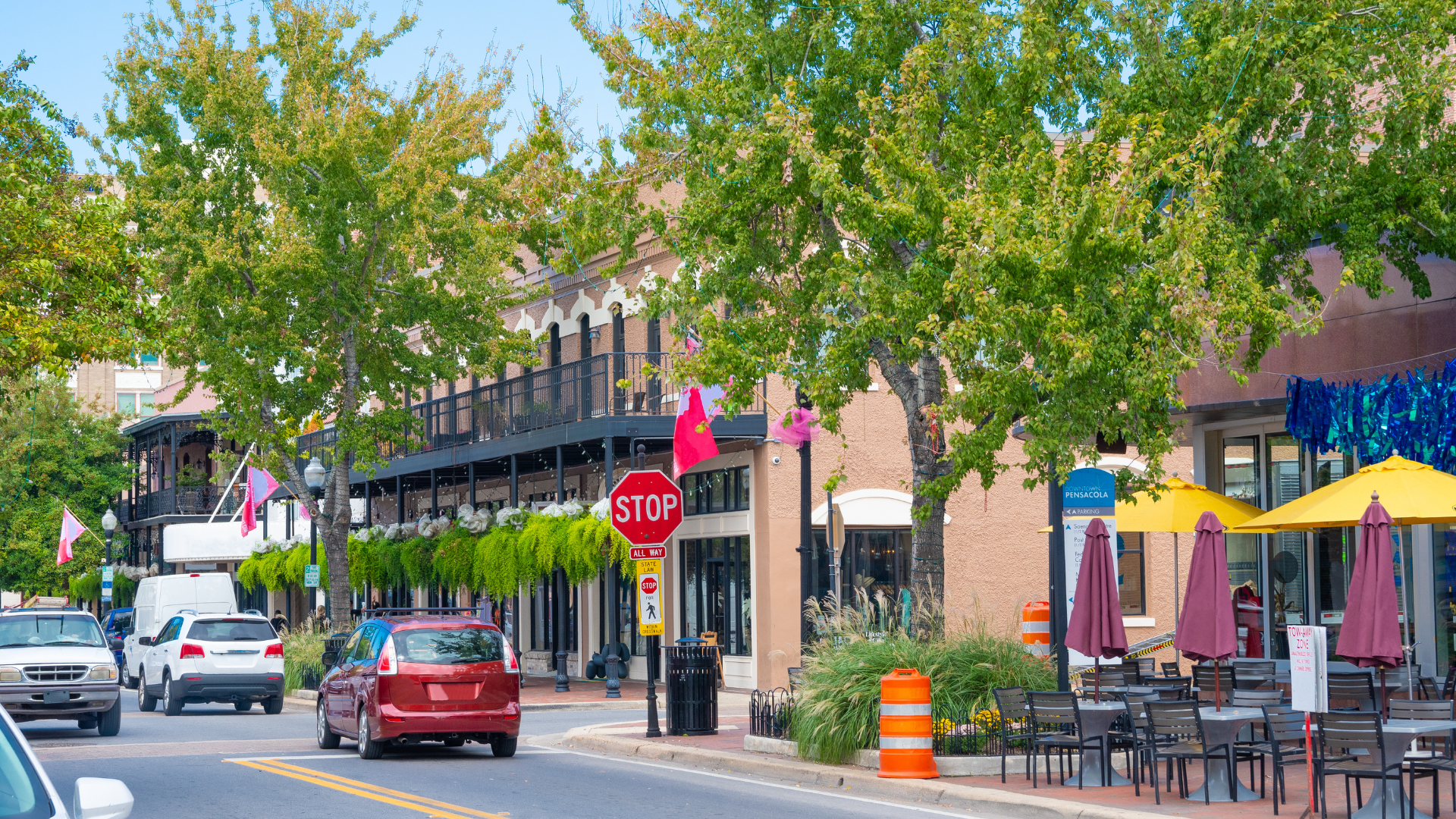
Making a difference in your community doesn't always require a big check, a free weekend, or a perfectly organized plan.
Sometimes it starts with noticing.
Who around you could use a meal? Which local organization could use another set of hands? Is there a neighbor you haven't checked on lately? Could you spend a few extra dollars with a local business this week?
Pensacola is our home.
And when enough of us decide to take care of the people around us, small choices can add up to a stronger, better community.
Here are 10 simple places to start.
1. Check on a Neighbor
You don't have to look far to find an opportunity to help someone.
Think about the people who live on your street. Is there an older neighbor who lives alone? A family with a new baby? Someone who has recently lost a spouse? A neighbor recovering from surgery or going through a difficult season?
Knock on the door. Bring their trash can back from the curb. Offer to grab something while you're at the store.
Sometimes making a difference starts right next door.
2. Give Something a Local Food Pantry Can Actually Use
Before cleaning out the pantry and donating whatever happens to be left, find out what your local food pantry needs.
Organizations may have specific items that run low more quickly than others. A quick phone call or visit to their website can help make sure what you give is genuinely useful.
And when you shop for your own groceries, consider adding a few extra shelf-stable items to your cart specifically for someone else.
It's simple, practical generosity.
3. Support a Local Business
Helping your community doesn't always look like traditional volunteering.
Eat at a locally owned restaurant. Hire a local contractor. Buy a birthday gift from a small shop. Recommend a great local business to a friend. Leave a thoughtful review after someone serves you well.
Behind many Pensacola businesses are local families, employees, and neighbors.
Where we spend our money can be one small way of investing back into the place we call home.
4. Give Your Time
Money isn't the only thing you can give.
Local nonprofits, churches, schools, and community organizations often depend on people willing to show up and help.
Maybe you can serve food, organize donations, help with an event, use a professional skill, do some physical work, or simply be available where another set of hands is needed.
You don't necessarily need a special talent.
Sometimes the most valuable qualification is simply being willing to show up.
5. Pay Attention to the People You Already Know
We often think "helping the community" means finding a stranger in need.
But someone in your existing circle may already be struggling.
A coworker may be caring for an aging parent. A friend may be going through a financial setback. A family at church may be overwhelmed. Another parent at your child's school may be carrying more than you realize.
Pay attention.
Send the text. Bring the meal. Offer the ride. Mow the yard.
You may not need to search for an opportunity to help. You may already know one.
6. Give Away Things While They're Still Worth Giving
Before throwing something away—or letting it sit unused for another three years—ask whether someone else could benefit from it.
Good furniture, children's items, household goods, professional clothing, and other useful belongings may be valuable to a family starting over or someone going through a difficult transition.
The key word is useful.
Giving should preserve dignity. Donate things you'd be comfortable giving directly to someone you care about, and check with the receiving organization first to make sure it can use them.
7. Use What You're Good At
You may have something valuable to offer that you've never considered "volunteering."
An accountant understands finances.
A photographer can take family photos.
A handyman can fix things.
A business owner can mentor someone.
A designer can help a nonprofit.
A retired teacher can tutor a student.
Whatever your skill is, there may be someone in Pensacola who could benefit from it.
Generosity isn't limited to what's in your wallet. Sometimes one of the best things you can give is something you've spent years learning how to do.
8. Make Serving a Family Activity
Children learn generosity by seeing it practiced.
Let them help choose food to donate. Serve somewhere together. Bake something for a neighbor. Pick out toys or clothes they've outgrown that another child could enjoy.
It doesn't have to become a big production.
You're simply showing them that noticing and caring for other people is a normal part of life.
Those lessons can last much longer than the afternoon you spend serving together.
9. Learn About the Needs in Your Own Community
It's difficult to help with problems we never take the time to understand.
Learn about the organizations already serving Pensacola and Northwest Florida. Find out what they do, whom they serve, what challenges they're seeing, and where the gaps are.
You may discover needs you didn't know existed—and organizations quietly working every day to meet them.
Then, instead of asking, "What could I possibly do?" you can ask a much better question:
"Where could I be useful?"
10. Support Ministry Village
If you're looking for another way to make a difference here in our community, you can also come alongside the work happening through Ministry Village at Olive.
Our mission is to express Christ's love to all people through acts of service, and that mission is carried out through ministries serving people with real needs in our community.
Financial gifts help make that work possible.
Whether it's a one-time gift or ongoing support, your generosity becomes part of something much bigger than a donation. It helps us continue showing up for people when they need somewhere to turn.
Give to Ministry Village and help us continue serving our community.
Start With One
You don't need to do all 10 things on this list.
Pick one.
Do something small this week that makes life a little better for someone else.
Then do it again.
Because making Pensacola a better place isn't only the responsibility of nonprofits, churches, government agencies, or people with a lot of money.
It's something all of us can be part of.